Passing the building department is only half the job. The utility still has to approve the interconnection and grant permission to operate. We draft the drawing packages that side of the process runs on — interconnection one-lines, application sheets and DER resubmittals.
Installers plan around the AHJ. The permit is applied for, the plan check runs, corrections come back, the permit issues. What catches teams off guard is the second gate behind it: the utility. Until the utility approves the interconnection and issues permission to operate, a finished, inspected system still cannot legally run — and the customer who paid for it is counting weeks.
The utility side runs on its own paperwork: an interconnection application, its own portal, its own reviewers, and a drawing package that has to match both the permit set and the equipment actually hanging on the wall. When that package is thin, inconsistent, or answers a question the utility did not ask, the application does not get denied so much as parked — waiting on a resubmittal nobody in the office has time to draw.
That parked time is what this service removes. VoltDraft prepares the utility-facing drawings as their own deliverable, built from the same project data as your permit set, checked against the utility's application checklist, and returned in your title block as PDF plus DWG. Your team answers homeowners and runs installs; the interconnection package moves.
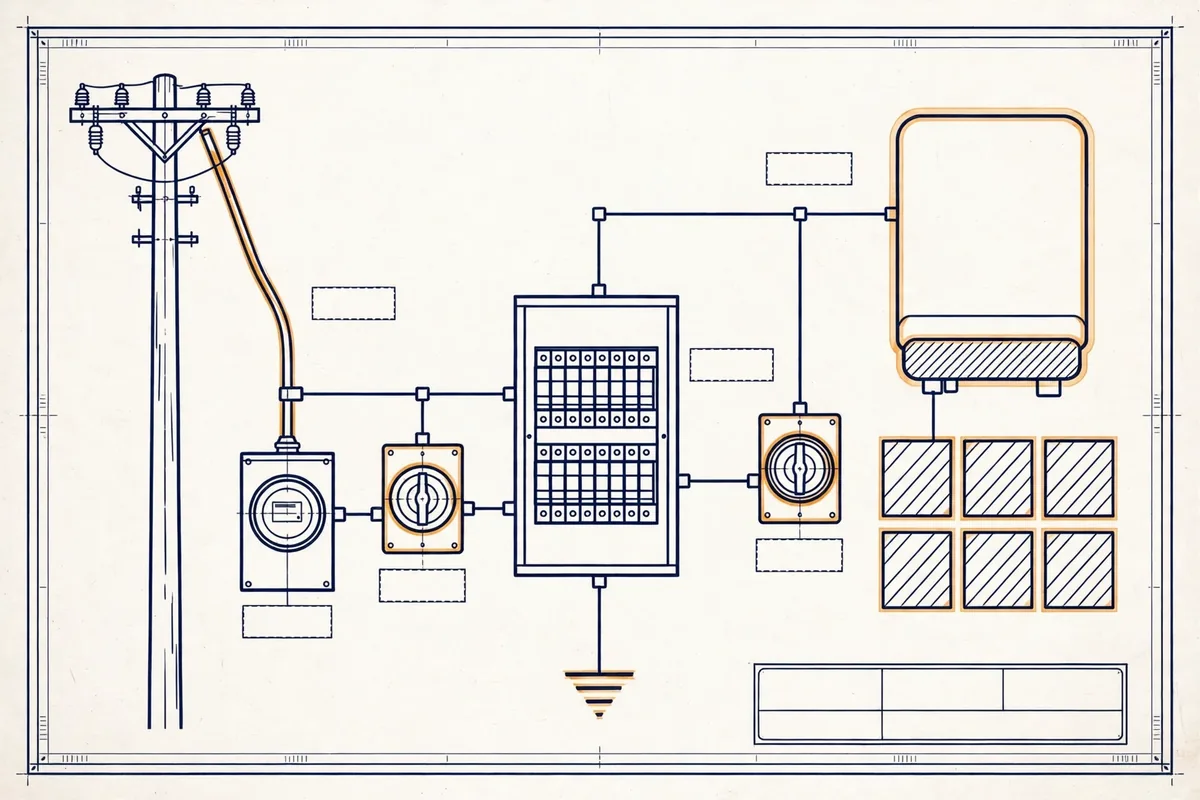
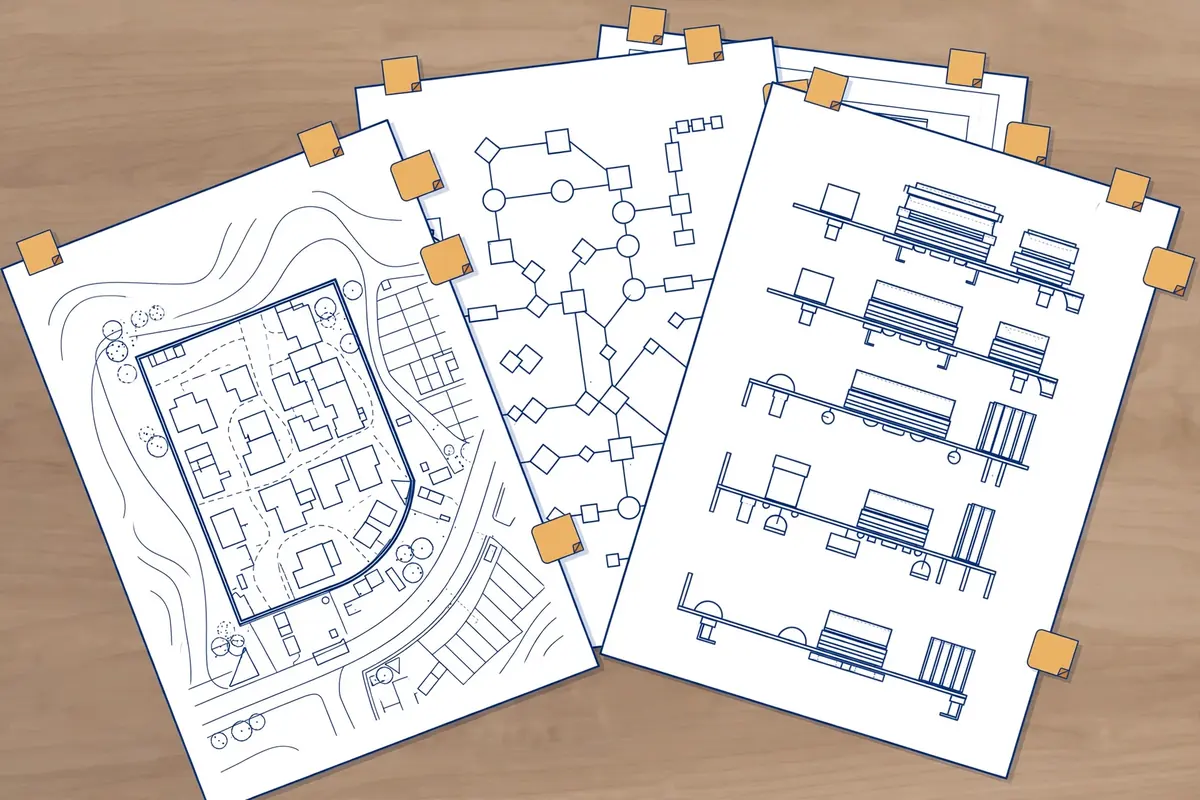
Every utility publishes its own application requirements, and no two checklists match exactly. The drawing core, though, is consistent — and it has to tell one story across every sheet: this is the service, this is the generation equipment, this is how they connect, and this is how the utility can disconnect it. A standard package from VoltDraft includes:
If your utility asks for more — a transformer note, a service upgrade drawing, a specific portal form drawn their way — we add it to the same package and index, so the application travels as one complete file instead of a chain of attachments.

A permit set is drafted for a plans examiner. An interconnection package is drafted for a utility engineer, and the two readers look for different things. The utility reviewer checks the service size against the generation capacity, the disconnect arrangement against their interconnection rules, and the one-line against the equipment list — and they check whether all three agree.
So we build the package the same way we build to an AHJ checklist: send us the utility's application requirements, the portal checklist, or a past approved package if you have one. We mirror the sheet content, order and data fields from that source, then draft your project into it. Reviewers work faster on a package that answers their list in their order, and inconsistencies — a one-line showing one inverter while the application names another — get caught in our internal check, not in their queue.
Where the utility's rules interact with the code, the drawings follow the interconnection shown under NEC Article 705 and the NEC edition your project uses, with your engineer's decisions carried onto the sheets exactly as given.
A large share of interconnection work is not the first submission — it is the second one. The utility reviews the application and sends it back: the one-line needs the transformer shown, the export settings need stating, the installed inverter differs from the applied one, or a service upgrade enters the picture. Each of those answers is drafting work, and each day it waits is a day PTO waits behind it.
Our resubmittal workflow is built for exactly that letter:
Forward the utility's deficiency notice or portal comments, the package you submitted, and any field changes made since — swapped equipment, added battery, changed disconnect.
Each utility comment is matched to the sheet it touches. Nothing is answered from memory; the redraw starts from their list, item by item.
The one-line and affected sheets are redrawn to show the system as it stands, and the whole package is reconciled so diagram, data pages and application figures agree again.
You receive a clean revised PDF plus updated DWG files, ready for your engineer's review and your resubmittal through the portal.
The same workflow covers the bigger utility-driven changes: a required transformer upgrade that needs its own drawing, an export-limited system that needs its settings documented, or a battery added after the original application that turns a solar package into a DER package.
Interconnection packages are quoted as a fixed price once we see the utility's checklist and your project data — the same fixed-quote rule as every VoltDraft service, confirmed in writing before drafting starts. A standalone interconnection one-line builds on our single-line diagram drafting, which starts from $55; a full application package or a DER resubmittal is scoped from the utility's requirements and the state of your existing drawings.
Standard turnaround is 24–48 hours per package. With the overnight workflow, files sent by your US evening are drafted while your office is closed and are in your inbox the next morning for engineer review — useful when a utility deadline or a customer's PTO date is doing the scheduling.
This service pairs naturally with our solar permit plan sets: one project data pack feeds both the AHJ set and the utility package, so the two submissions tell the same story from the first sheet.
The permit side and the correction side of the same approval process.
A typical package includes the interconnection one-line diagram, a site plan showing the service, meter and disconnect locations, equipment nameplate and data pages for the inverter and any battery, and any utility-specific sheets the application asks for, such as a production meter detail or an export setting sheet. The exact list follows your utility's application checklist, which we build the package against.
Requirements vary by utility, but the drawing side usually comes down to an accurate one-line diagram that matches the installed system, nameplate data for the generation equipment, the disconnect and meter arrangement shown clearly, and application forms filled from the same data. When the submitted diagram and the installed equipment disagree, the application stalls. We draft the package from one consistent set of project data so the sheets agree with each other.
Yes. Utility resubmittals are a regular part of this service. Send the utility's response or deficiency notice, the diagram you originally submitted, and any field changes made since. We redraw the one-line to show the system as it stands, answer each point the utility raised on the sheets, and return a clean package for your engineer to review before you resubmit.
Send the utility name and the application checklist or portal requirements if you have them, the service details (panel rating, main breaker, meter arrangement), the inverter and battery nameplate data, the site address and a site plan or roof plan of the system, and any one-line diagram you already have. If the system is already installed, photos of the equipment and labels help us match the drawings to what is actually on the wall.
Most resubmittal packages follow our standard 24 to 48 hour turnaround, and straightforward one-line redraws often go back the next US morning through the overnight workflow. The clock depends on how many points the utility raised and how complete your field data is. We confirm the delivery time in the fixed quote before drafting starts.
The utility approves the interconnection and grants permission to operate; that decision is always theirs. Your licensed engineer reviews and stamps the drawings where a stamp is required. VoltDraft is the drafting bench in the middle: we prepare the drawing package to the utility's checklist and your engineer's standards so both reviews move as fast as they can. Drafting only — no PE stamp.
Message us the utility's checklist and your project data on WhatsApp. We reply with a fixed quote and a short intake list — then the package is in drafting, not in a queue.
WhatsApp Us