Panel Schedules & Load Schedules for MEP and Electrical Contractors
Clean circuit-by-circuit panel schedules and clear load summaries, built from your field notes, photos or old PDFs and matched to the format your engineers already use.
Schedules That Match Your Sheets, Not Ours
A panel schedule only helps if your team can read it the same way they read every other sheet in the set. Column order, breaker layout, load units, spare and space labels — small format choices decide whether an engineer checks a sheet in two minutes or twenty. That is why we draft to your format first and our habits second.
Send one sample schedule your engineers like. We copy its table layout, fonts, notes style and panel naming, then build every new schedule to that pattern. Your title block goes on each sheet, your panel names stay as your team names them, and the finished file drops into your set without a reformat round.
The work starts from whatever you have. Neat spreadsheets are welcome, but so are field notes, panel door photos, redlined PDFs and half-finished CAD files. Turning rough field input into a clean, checkable sheet is the core of this service.
Built From Field Notes, Photos and Existing PDFs
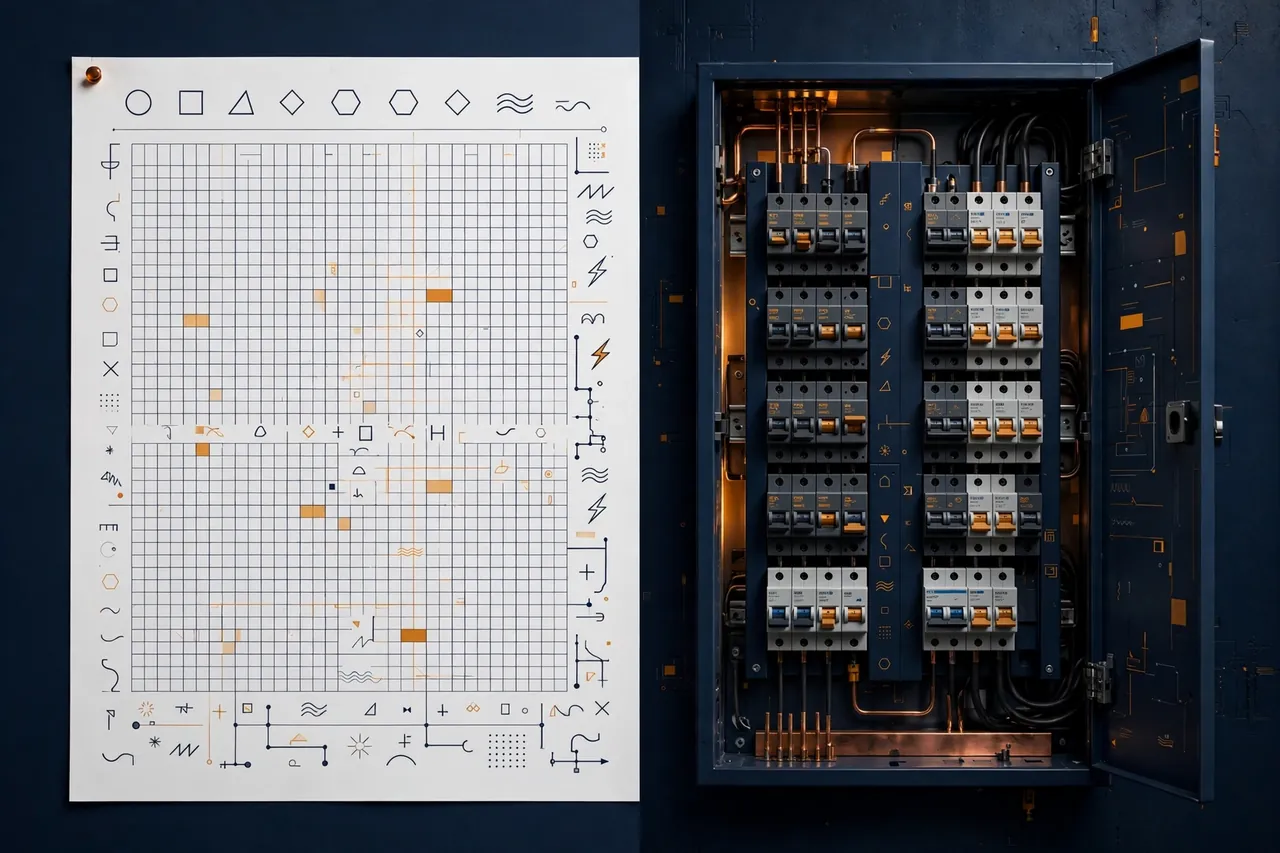
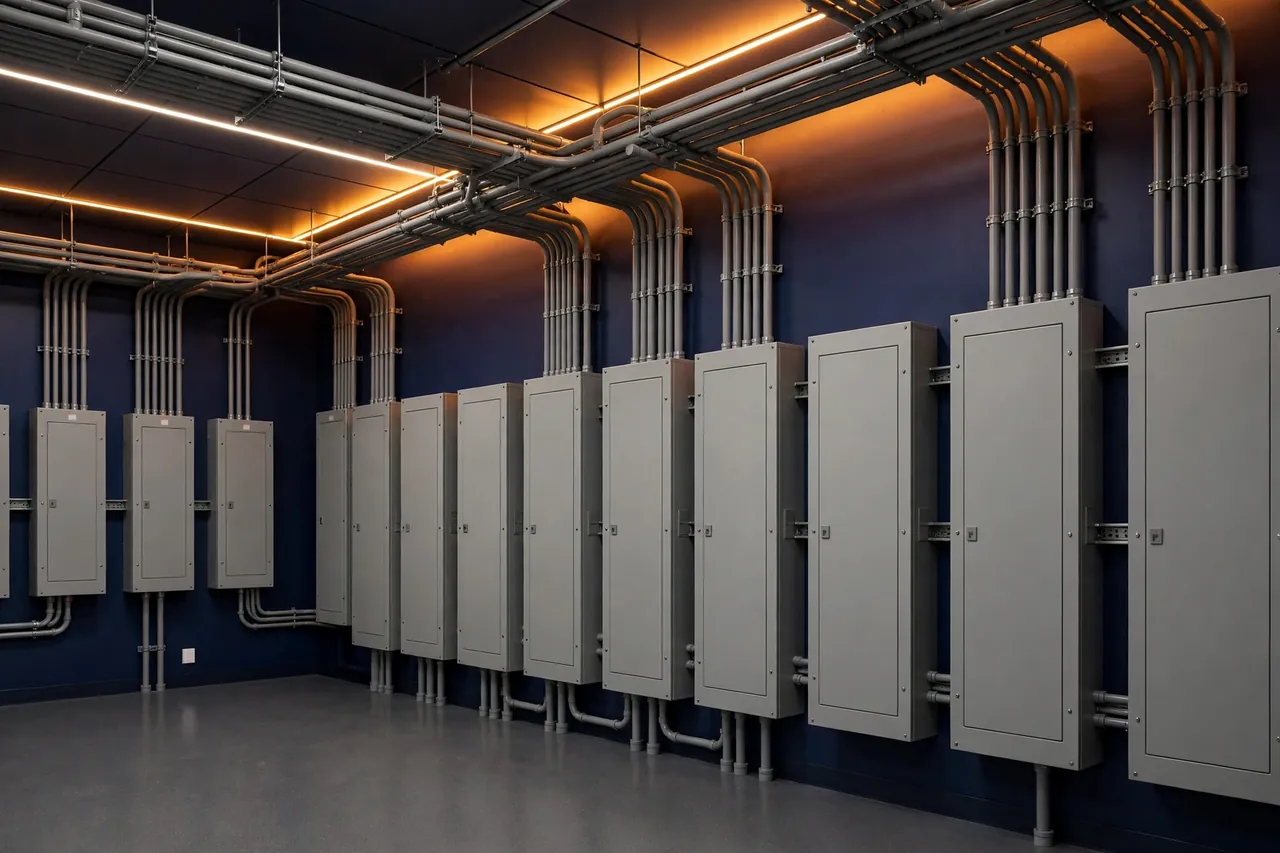
Most schedules do not start in CAD. They start in the field: a foreman's notebook, photos of a panel with the door open, a marked-up print from a walk-through. We take that raw input and build the schedule circuit by circuit — circuit number, description, breaker size and poles, load, and the phase each circuit sits on.
Where a label is unclear or a photo cuts off part of the panel, we flag it on a short query list instead of filling the gap with a guess. A wrong circuit description on a finished sheet costs far more than one quick question at the start. Once you answer, we close the gap and note the source on our working file, so the next update round starts from known facts.
Old PDFs get the same care. We redraw worn or scanned schedules into live CAD tables, keep the original circuit order and wording, and call out any value that looks off — a breaker size that does not match the load beside it, or a total that does not add up. You decide what changes; we draft what you confirm.
Phase Balancing and Load Summaries
A schedule that lists circuits but never totals them leaves the hard part undone. On each panel schedule we total the load per phase, lay circuits out across phases from the loads you provide, and show the phase totals where your engineer expects to find them. Spare capacity stays visible, so the next add-on job can be judged at a glance.
The load schedule pulls the picture together. It sums connected load across panels, applies the demand factors your engineer sets, and shows demand load and service totals in one summary table. Notes on the sheet state which NEC edition and which demand basis the summary follows, so a reviewer does not have to ask.
Our role stays clear: we draft and document the numbers from your inputs. Demand factors, load calls and final totals are confirmed by your licensed engineer. Drafting only — no PE stamp. Final review and stamp remain with your licensed engineer.
What Is Included
- Circuit-by-circuit panel schedules for each panel in the set
- Breaker size, poles, load and phase shown for every circuit
- Phase totals and phase balancing laid out from your load inputs
- Load schedule with connected load, demand factors and demand totals
- Schedules built from field notes, photos, spreadsheets or old PDFs
- Your table format, title block, panel naming and notes style
- Query list for any unclear label or missing value — no guessed data
- PDF sheet set plus native DWG files your team can edit
What We Need From You
- Field notes, panel photos, spreadsheets or existing schedule PDFs
- One sample schedule in the format your engineers use
- Panel names, panel sizes and service details for each board
- Demand factors or the demand basis your engineer wants shown
- Your title block and CAD standards, if we have not used them before
- The NEC edition your project follows, 2020 or 2023
Rough input is fine. If a photo or note is all you have for a panel, send it — we will tell you plainly if one more detail is needed.
Update Cycles After Redlines
Panel schedules change more than almost any other sheet. A tenant swaps equipment, a circuit moves, the AHJ asks for a clearer summary — and the schedule set needs a new round. We keep your schedules as live CAD tables, so an update round touches only the circuits that changed, then re-totals the phases and the load summary to match.
Send the redlined PDF or a short change list. We update the circuits, shift loads where a change moves them, revise the demand summary, and mark the revision on each affected sheet. The full set comes back together, so your files never hold a mix of old and new sheets with the same date.
Teams with steady work can send updates on a weekly rhythm. Files that reach us by your US evening are drafted overnight and back by your morning, which keeps small changes from piling into a weekend catch-up job.
Price and Turnaround
Panel schedules and load schedules start from $65 per sheet set. The from-price covers a standard panel set in a known format; the final quote depends on panel count, circuit count and how rough the starting input is. Every first project starts with a fixed quote confirmed in writing before work begins.
Standard turnaround is 24 to 48 hours per set, based on size. Drafting runs in AutoCAD and AutoCAD Electrical, checked in Bluebeam Revu before delivery, and every set leaves as a PDF plus native DWG files.
What a Finished Sheet Set Looks Like
A finished set opens with a cover sheet that lists every panel in the job, its location and the sheet it lives on. Each panel schedule follows in panel order, so a reviewer can walk the building on paper the same way a foreman walks it in person. Panel names, voltages and feed sources are stated at the top of each table, in the same spot on every sheet.
Totals are never buried. Phase loads sit at the foot of each panel table, connected and demand totals sit on the load schedule, and notes under each table state the NEC edition and the demand basis used. Spares and spaces are labeled as spares and spaces — a blank row on a schedule invites a wrong guess in the field, so we do not leave blank rows.
The set closes with the query and revision notes resolved. Every question we raised during drafting is either answered on the sheet or listed as still open, so nothing rides along as a silent assumption. When the set goes to your engineer, the check is a check — not a hunt for missing pieces.
Sheet numbering follows your set's pattern, and each schedule carries the project title block, the revision date and the panel's room or area name. If your firm tracks schedules in a spreadsheet as well as CAD, we can return the same tables in both forms, kept in step with each other.
New Builds and Existing Panels Need Different Care
On a new build, the schedule grows out of the drawings. Loads come from the lighting and power plans, equipment schedules and the single-line diagram, and our job is to keep every circuit, breaker and total in step across all of them. When a plan changes a load, we change the schedule in the same round, so the set never carries two versions of the same circuit.
On an existing panel, the schedule grows out of the field. Labels may be faded, circuits may have moved since the last print, and a directory card may list loads that left the building years ago. We draft what your notes and photos show, mark what could not be read, and never tidy a doubtful entry into a clean-looking guess. The sheet states what is confirmed and what is still to be verified on site.
Either way, the format stays yours and the file stays live. The next change — a fit-out, a panel swap, an AHJ correction — starts from the current set, not from a scan of an old one. That live file is worth keeping: it is the record your next quote, your next permit and your next service call will all lean on.
Related Services
Schedules usually travel with these sheets in a full set.
Panel & Load Schedule FAQs
What is the difference between a panel schedule and a load schedule?
A panel schedule lists every circuit in one panel, breaker by breaker, with the load on each circuit and the phase it sits on. A load schedule sums loads across panels or a whole service to show demand and total load. Many sets need both. We draft each one in your format so your engineer can check the numbers fast.
Can you build panel schedules from our field notes?
Yes. Send field notes, panel photos, marked-up PDFs or spreadsheets, even if they are rough. We turn them into clean circuit-by-circuit schedules, flag gaps or unclear labels, and ask before we guess at a missing value. The finished set comes back as a PDF plus native DWG, matched to your title block and panel naming.
Do you balance phases and calculate demand loads?
We lay out circuits across phases from the loads you provide, show phase totals, and draft demand summaries using the factors your engineer sets. The math is documented clearly on the sheet so it can be checked line by line. Final load decisions stay with your licensed engineer. Drafting only — no PE stamp. Final review and stamp remain with your licensed engineer.
Can you match the schedule format our engineers use?
Yes. Send one sample schedule your engineers like, plus your title block and panel naming rules. We copy that layout, column order, fonts and notes style for every new sheet, so your team reads each set the same way. If you have no set format yet, we use a clean standard table and adjust it after your first review.
How are panel schedule updates handled after redlines?
Send the marked-up PDF or a short list of circuit changes. We update the affected circuits, re-balance phase totals where the change shifts load, revise the demand summary, and return the full sheet set with a new revision note. Small update rounds are quoted as a fixed fee before work starts, so you know the cost up front.
Need Clean Panel Schedules This Week?
Send your field notes or panel photos on WhatsApp. We reply with a fixed quote before any drafting starts.